Back to product knowledge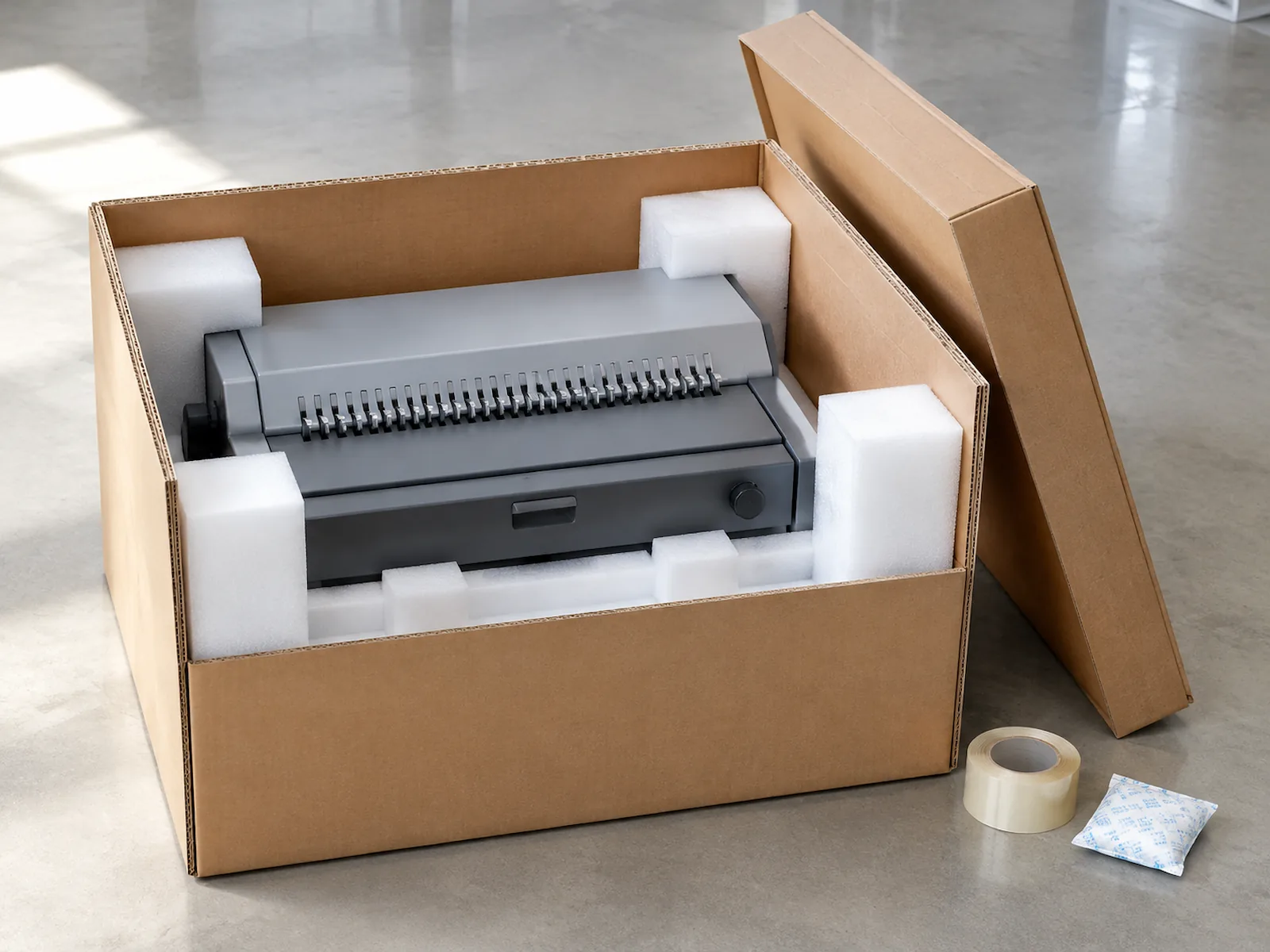
Carton volume is what your freight quote is really made of
Two machines can carry the same FOB price and still land at very different cost per unit. The difference is usually the carton: volume per unit decides how many machines fit in a container, and weight decides whether the container fills up before it reaches its mass limit.
Start from volume per unit
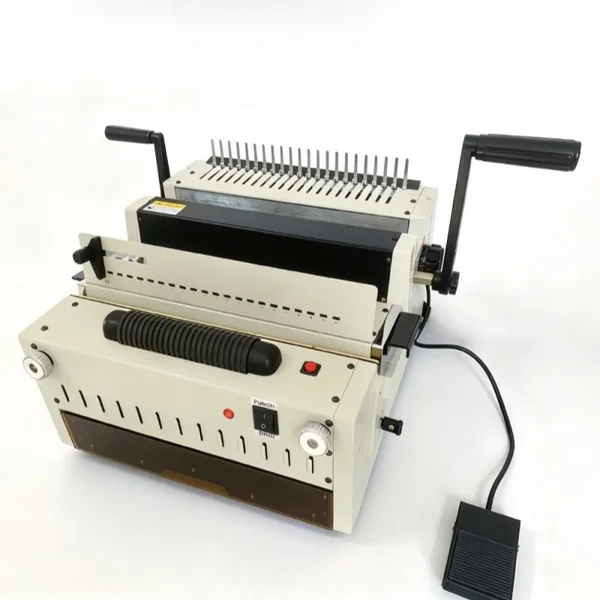
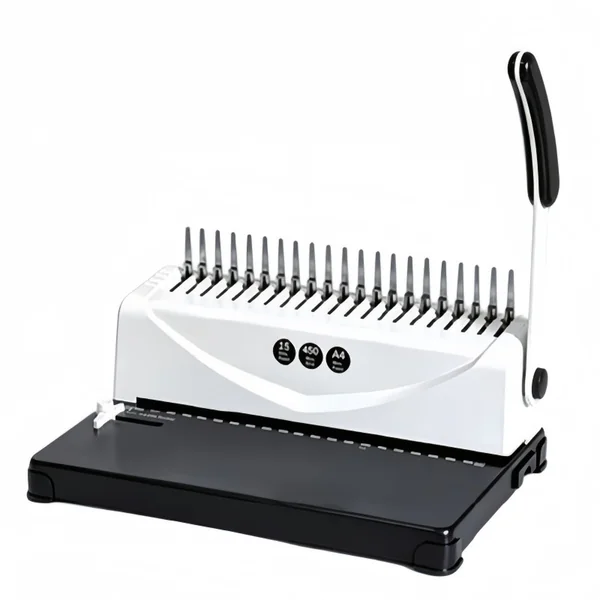
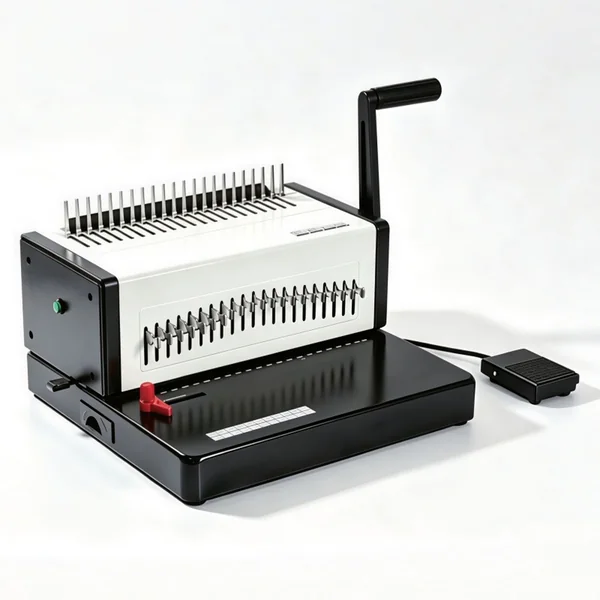
Every model page lists carton size, carton volume and units per carton. Divide the carton volume by the units inside it to get the space one machine takes. A four-die multi-function unit shipped one per 0.25 m³ carton uses ten times the space of a small comb binder packed four to a 0.096 m³ carton.
A container is planned in cubic metres
Freight is normally planned at roughly 28 m³ of usable space in a 20 ft container, around 58 m³ in a 40 ft and around 68 m³ in a 40 ft high cube. Those figures move with carton shape and stack height, so confirm them with the forwarder before committing to a quantity.
A worked example
At 0.25 m³ per carton and one unit per carton, a 20 ft container planned at 28 m³ holds about 112 units of the four-die machine before stacking losses. The same 28 m³ holds around 1,160 comb binders packed four to a 0.096 m³ carton, which is 0.024 m³ per unit. That is why the small machines travel by the hundred and the heavy ones by the dozen.
Mixed loads need weights as well as volumes
When several models share a container, the limit is often total gross weight or the stack height of the lightest carton. Give the forwarder the model list with carton dimensions, gross weight and units per carton for each line, and ask for a stack plan. Our published data covers every model, so the freight can be quoted before the order is placed.
Models mentioned in this note
Knowledge